
Essential exercises for working out at home

Squats
Strengthen the thighs and glutes while improving lower body strength and stability during everyday and athletic movements.

Push-ups
Work the arms, shoulders, chest, and core muscles while developing upper body strength and trunk control.

Plank
Strengthens the deep abdominal muscles and back, develops core stability, and supports better posture.
The essential equipment for fitness training
Equipment
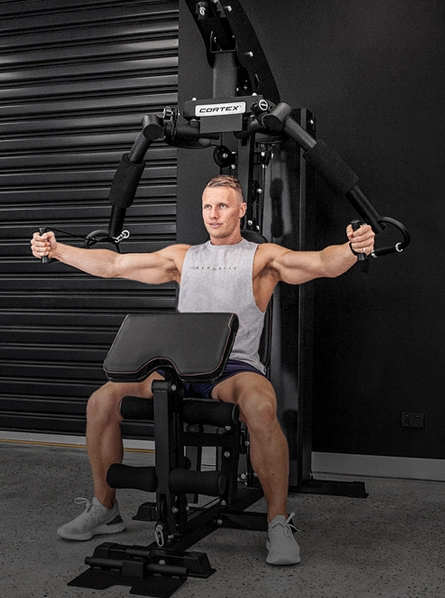
Weight training equipment
This allows you to develop strength, muscle mass, and tone using free weights, resistance equipment, or weight machines suited to progressive strength training.

Cardio training equipment
This improves endurance and respiratory capacity while supporting cardiovascular fitness and calorie expenditure during aerobic exercise.
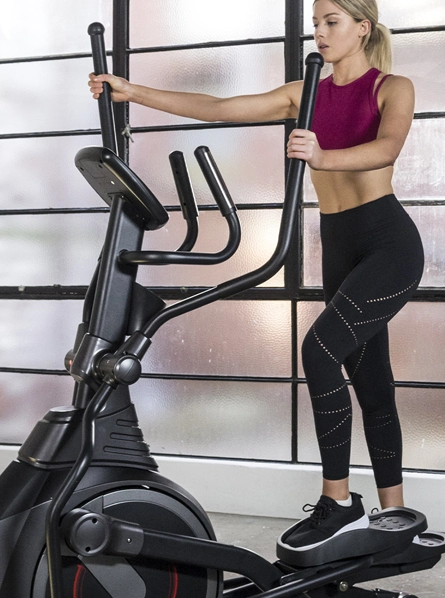
Cross-Training Equipment
This engages the entire body through functional movements that combine strength, coordination, agility, and muscular endurance.
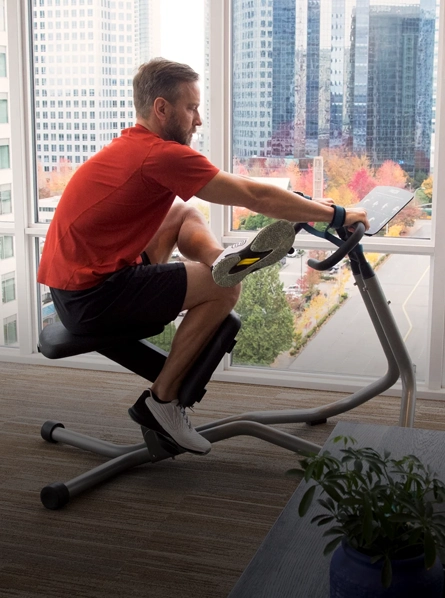
Core & stretching equipment
This strengthens deep muscles, improves flexibility, and supports mobility and injury prevention through controlled stretching and core exercises.
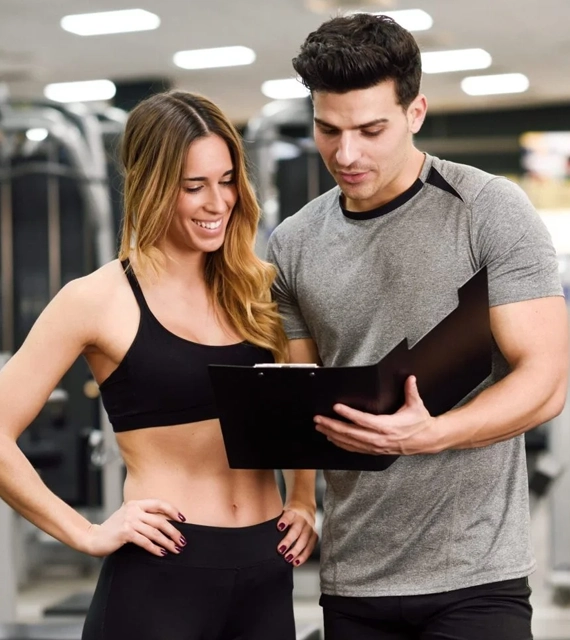
How to choose the right training program?
Choosing a suitable training program starts with a clear understanding of your goals, whether it’s losing weight, building muscle, improving endurance, or maintaining good physical fitness. It’s essential to assess your current fitness level and choose a progressive training plan with an appropriate exercise intensity, reducing the risk of injury or discouragement.
The choice should also take into account the time available, training location, and personal preferences to support training consistency over the long term. Finally, a good training program incorporates recovery, adaptation, and progress tracking to adjust training volume and maintain lasting results and motivation.
The pillars of a healthy diet for athletes
Nutrition

A balanced macronutrient intake
Carbohydrates provide the energy needed for exertion, proteins promote recovery and muscle growth, while dietary fats support normal physiological functions. Together, these macronutrients contribute to balanced sports nutrition and energy availability during training.

Sufficient and regular hydration
Drinking water before, during, and after training supports exercise hydration, athletic performance, and fluid balance. Adequate hydration also helps limit dehydration-related fatigue during physical activity.

Well-being and performance
The pillars of a healthy lifestyle
Health
Sleep and recovery
Getting enough sleep and respecting recovery cycles supports muscle recovery and physical adaptation after exercise. Quality sleep also contributes to consistent athletic performance and readiness for training.
Stress management
Maintaining a positive mental state through relaxation, meditation, or leisure activities supports stress management, motivation, and concentration. These practices can also promote mental recovery alongside physical training.
Prevention and medical monitoring
Regular checkups and monitoring of physical condition support injury prevention and help identify changes that may affect training. This monitoring can guide safer adjustments to exercise load and recovery.

Sports coaching: how to optimize your results
To optimize your results in sports coaching, it’s essential to combine personalized guidance with a holistic approach. This involves clearly defining training goals, following an individualized training program adapted to your fitness level, and respecting progressive exercise progression.
The guidance of a qualified coach allows you to improve exercise technique, prevent injuries, and maintain long-term motivation. Furthermore, optimization also relies on a healthy lifestyle: a balanced diet, hydration, sufficient sleep, and active recovery complement structured training sessions to support sustainable performance.